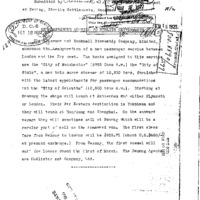
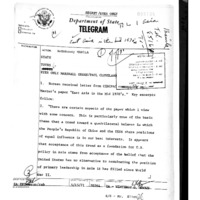
East Asia in the mid 1970's
Dublin Core
Description
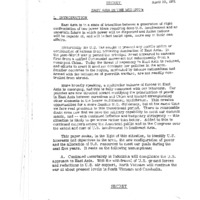
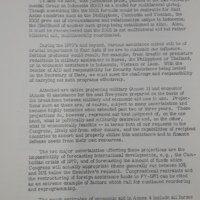
I. Introduction
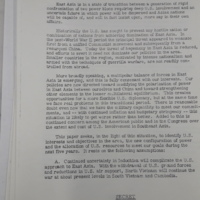
II. U.S interestst in East Asia
A. Genrral
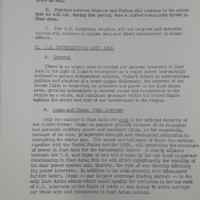
B. Japan and China: vital interests
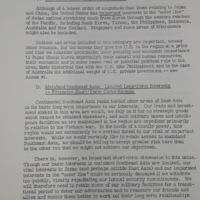
C. The out line: important interests
D. Mainland Southeast Asia: limited long-term interests--extensive short-term commitments
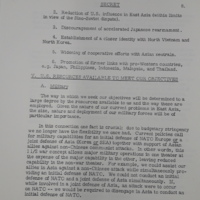
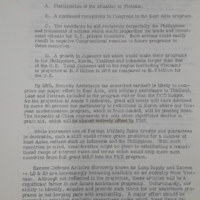
III. U.S. objectives
IV. Interplay of the four power balance
A. Japan
B. China
C. Soviet Union
V. U.S. resources available to meet our objectives
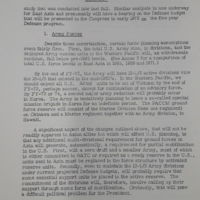
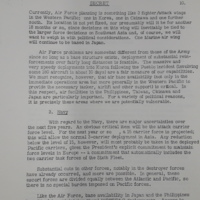
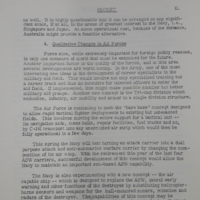
A. Military
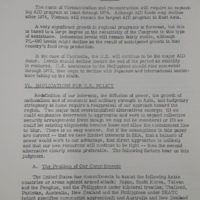
B. Aid
VI. Implications for U.S. Policy
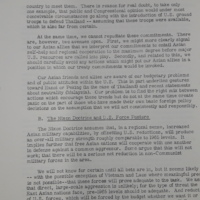
A. The problem of our commitments
B. The nixon doctrine and U.S. force posture
C. Resistence to new regional security arrangements
D. Need for a new concept of U.S. intersts in Asia
Source
Date
Rights
Language
Type
Identifier
Date Created
2022-08-30
Access Rights
This is an open access document. You are free to Share and Use under the terms of the Creative commons license.
Extent
27 leaves
Rights Holder
Chulachomklao Royal Military Academy
Files
Collection
Citation
“East Asia in the mid 1970's,” ระบบหอจดหมายเหตุต่างประเทศ ทูลกระหม่อมอาจารย์, accessed November 17, 2026, https://archives.nrct.go.th/histdept/items/show/552.
Position: 209 (371 views)
Related Items you might want to check out...